
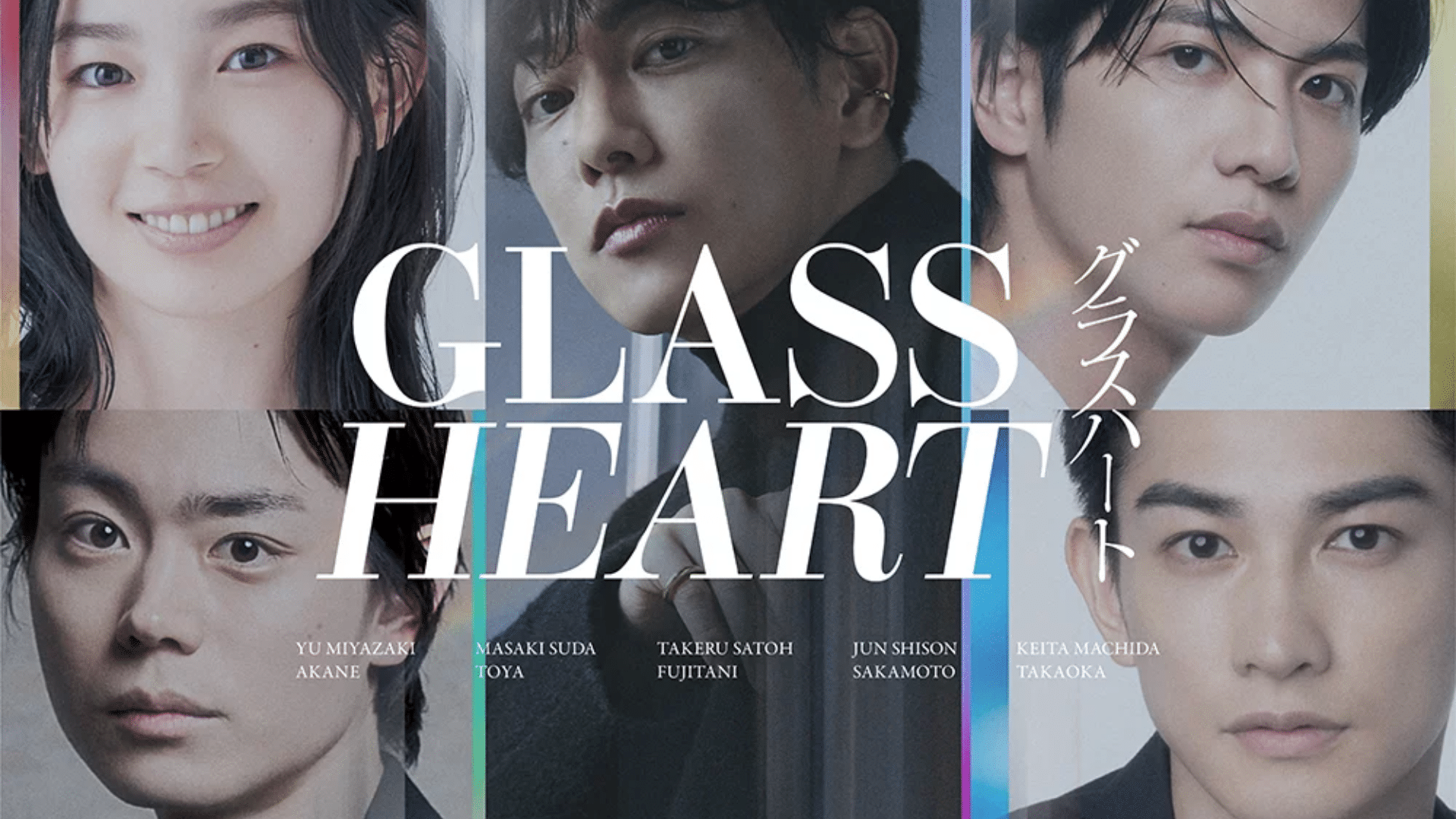
Glass Heart: A Tale of Redemption and Musical Dreams
“Glass Heart” stands out as one of Netflix’s most ambitious entries in the Japanese dorama landscape, offering a storyline that goes beyond traditional musical dramas. Adapted from Mio Wakagi’s novel, the series weaves an emotionally resonant narrative about redemption, artistry, and the sacrifices that accompany the pursuit of fame in the music world.
Advertisements
Storyline and Character Development
The opening concept is recognizable yet executed with finesse: Akane Saijo, a gifted drummer at university, faces the collapse of her aspirations when she is wrongfully dismissed from her band just before their debut. The writing skillfully sidesteps predictable tropes by introducing Naoki Fujitani, a talented and introverted musician who sees Akane’s potential and invites her to join TENBLANK, his new musical project.
What distinguishes “Glass Heart” from similar productions is its sophisticated portrayal of the music industry’s dynamics. The series refrains from glorifying the path to success, instead delving into the rivalries, pressures, and tensions that accompany artistic growth. The competition between TENBLANK and OVER CHROME, a band led by the charismatic Toya Shinzaki, enriches the storyline without relying on superficial conflict.
Directorial Vision and Visual Style
Guided by Kohtaro Goto and Kensaku Kakimoto, “Glass Heart” raises the bar for musical doramas. The live performance scenes are remarkably cinematic, employing over 5,000 extras and a 12-camera setup to capture the shows’ vibrancy and energy. This level of production, seldom seen in Japanese series, provides a tangible authenticity that immerses viewers in the performance.
The cinematography employs warm hues during intimate character moments, contrasting with the bold and dynamic lighting of the musical sequences. This visual duality effectively reflects the two realms the characters navigate: their personal lives and their performances.
Acting and Musical Credibility
Takeru Satoh gives one of his most layered performances as Naoki Fujitani, merging musical brilliance with emotional depth. His dedication to the role goes beyond acting; he also serves as an executive co-producer, ensuring artistic integrity throughout the project.
Yu Miyazaki shines as Akane, portraying a blend of determination and vulnerability. Her self-discovery journey is compelling, especially as she balances her loyalty to the band with her personal aspirations. The ensemble cast, featuring Keita Machida and Jun Shison as the guitarist and keyboardist, respectively, helps create a believable group dynamic.
A key element of the show is the cast’s dedication to musical authenticity. All principal actors underwent rigorous training on their instruments, resulting in performances that are genuine and free from dubbing or editing gimmicks.
Original Score and Musical Components
The involvement of Yojiro Noda, lead singer of the renowned band RADWIMPS, in crafting the original songs significantly enhances the series’ musical depth. “Crystalline Echo,” which appears in the teaser, illustrates how the songs serve not just as entertainment but also as narrative extensions that express the characters’ emotional journeys.
The soundtrack seamlessly blends elements of modern Japanese rock with experimental influences, mirroring the innovative essence of the fictional band TENBLANK. Each piece is thoughtfully woven into the storyline, avoiding the sensation of musical performances feeling disjointed from the main plot.
Core Themes and Emotional Resonance
“Glass Heart” delves into universal themes through the unique perspective of Japanese music culture. The theme of second chances resonates powerfully, not just for Akane but for each band member carrying their histories and unfulfilled dreams.
The series also sensitively explores the pressures of the entertainment industry, including manipulation by influential producers and the personal toll of fame. These aspects add weight to the narrative while still allowing for moments of levity and human connection.
Key Highlights
The greatest strength of “Glass Heart” lies in its ability to harmonize spectacle with intimacy. The grand performance scenes beautifully juxtapose quieter moments of introspection, creating a narrative rhythm that reflects the series’ own musical compositions.
The depiction of artistic creativity is particularly well-handled, showcasing both flashes of inspiration and episodes of creative struggle. The series avoids glorifying the artistic process, presenting it as a challenging endeavor that demands commitment and sacrifice.
Final Thoughts
“Glass Heart” establishes itself as a landmark production in the Japanese musical genre, marrying high-quality production with emotionally engaging storytelling and convincing performances. The series successfully appeals to both drama aficionados and music lovers, providing a rich and layered experience.
With its mature perspective on the challenges within the music industry and emphasis on developing multi-dimensional characters, “Glass Heart” is poised to be one of the standout series of 2025. It is a work that honors the transformative power of music and the resilience of the human spirit in the face of hardship.
A série representa um marco na evolução dos doramas musicais, provando que é possível criar entretenimento de massa sem comprometer profundidade artística ou autenticidade emocional.