
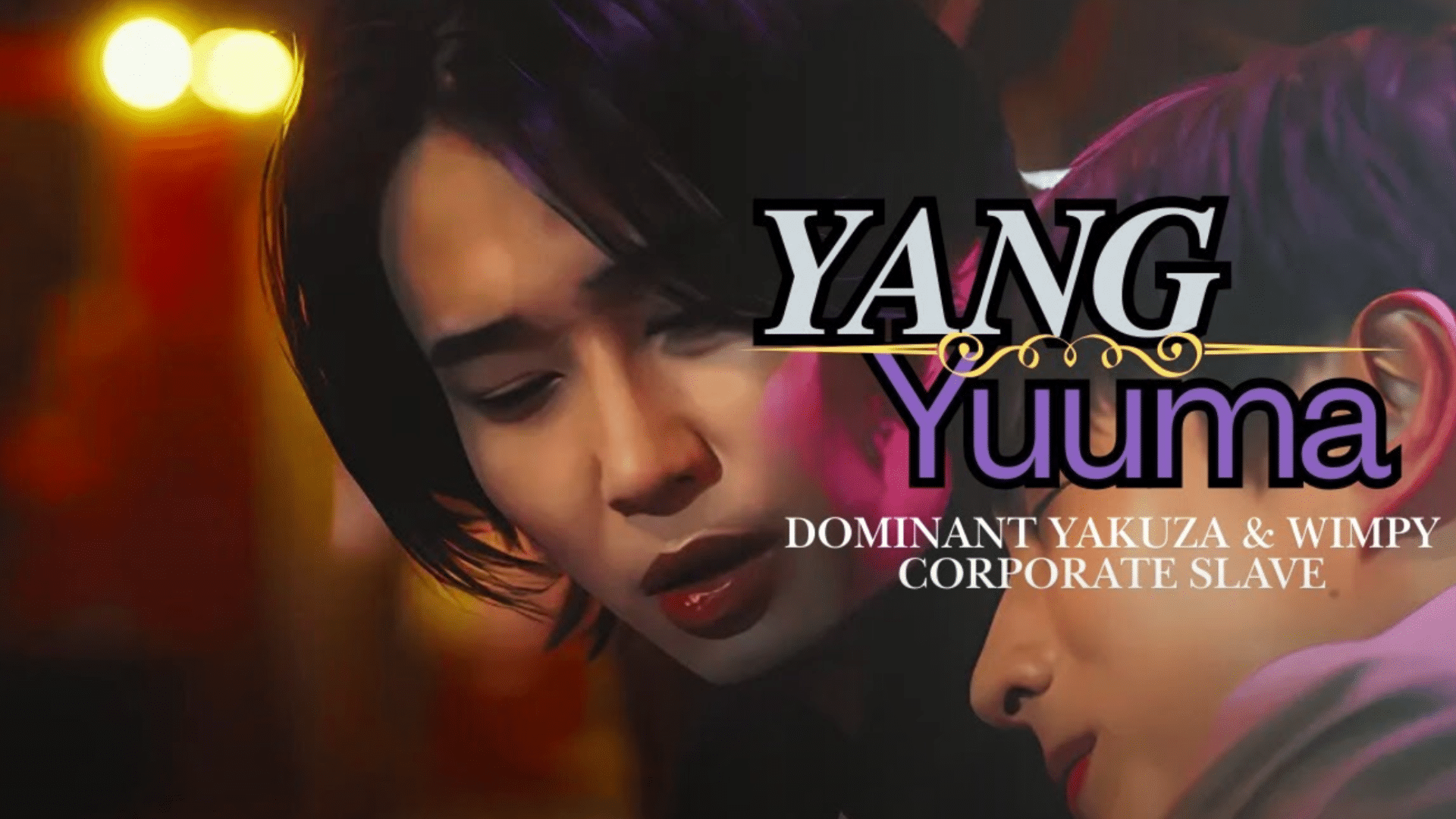
The Unconventional Romance of a Fearless Yakuza and a Timid Corporate Worker: A Forbidden Love Across Divergent Worlds
“The Unconventional Romance of a Fearless Yakuza and a Timid Corporate Worker” (俺様ヤクザとヘタレ社畜~国を超えた仁義なき溺愛~) stands out as one of the boldest and most captivating offerings in the Japanese BL genre of 2024, delving into the unexpected chemistry between two characters who embody contrasting ends of the Japanese societal spectrum. Adapted from Arin Himari’s manga, the series presents a distinctive mix of romance, social tension, and character evolution that defies both genre conventions and societal norms.
Advertisements
Storyline and Social Dichotomy
The narrative centers on Yang, a Taiwanese corporate worker assigned to his firm’s Japanese office, and Asuma, a formidable yakuza figure with a personal code of ethics. This setup immediately establishes a riveting interplay of power, vulnerability, and shared attraction that crosses cultural, social, and legal divides.
The striking contrast between the oppressive, hierarchal corporate setting and the yakuza underworld, characterized by its own rules of honor, creates a rich environment for examining themes of social conformity, self-identity, and the bravery required to pursue one’s emotions against societal norms. The series refrains from glorifying either realm, instead presenting both with their inherent challenges and dualities.
Character Growth and Romantic Interactions
Yang epitomizes the archetype of the beleaguered “salaryman,” battling an overbearing boss, grueling work hours, and the loneliness of being abroad. His portrayal as “shy” does not equate to passivity; rather, it portrays him as genuinely vulnerable, resonating with many viewers who face similar challenges in today’s corporate landscape.
Conversely, Asuma defies typical yakuza stereotypes through his blend of physical menace and sincere, protective concern for Yang. Their initial attraction sparks during a moment of candid drunkenness when Yang calls Asuma “handsome”—a moment of authentic connection that transcends the personas they both uphold.
The interplay of dominance and submission is explored in a nuanced manner, where power is not merely about physical strength or social rank, but about emotional openness and reciprocal trust. This perspective elevates the narrative beyond clichéd “bad boy meets good boy” scenarios to a more intricate examination of emotional alignment.
Cultural and Linguistic Aspects
Incorporating Yang as a Taiwanese character introduces fascinating dimensions to the story, addressing both cultural disparities and language obstacles, as well as the experience of being a foreigner in Japan. His occasional struggles with Japanese under pressure lend authenticity to his character and offer both humorous and poignant moments.
The series navigates the representation of the yakuza world with care, avoiding excessive glamorization while acknowledging the principles of honor and loyalty that define this subculture. This balanced approach enables the audience to comprehend Yang’s attraction without endorsing illegal activities.
Production Quality and Direction
As a short-form drama with 10 episodes, each around 3 minutes long, “The Unconventional Romance” encounters the considerable challenge of crafting a compelling storyline and authentic relationships within tight time constraints. The outcome is a brief yet surprisingly impactful experience that optimizes every second of screen time.
Takko Yoshida’s direction showcases an understanding of the format’s limitations, honing in on pivotal moments of emotional growth and chemistry between the leads. The performances by Karuma (Asuma) and Ah Ben (Yang) effectively convey layers of emotion and attraction, even within the limited timeframe.
Universal Themes and Current Relevance
Beyond the central love story, the series tackles relevant issues such as workplace pressure, social alienation, and the quest for genuine connection in highly structured societies. Its subtle critique of Japan’s toxic work culture resonates especially in a time when burnout and workplace mental health are increasingly significant global concerns.
The exploration of relationships that transcend social boundaries comments on societal rigidity and the potential for finding love and acceptance in unforeseen places. This thematic universality enables the series to resonate beyond its specific cultural context and appeal to diverse audiences.
Narrative Constraints and Missed Opportunities
The primary limitation of the series lies in its brief duration, which restricts the in-depth development of supporting characters and a full exploration of the social ramifications of the central relationship. Many viewers felt that the narrative required more time to evolve and fully realize its captivating concepts.
The rapid progression of the romance, while understandable given the time restrictions, sometimes compromises emotional authenticity for the sake of narrative advancement. This limitation is particularly exasperating considering the clear potential for deeper examination of the protagonists’ dynamics.
Influence on the BL Genre and Innovation
“The Unconventional Romance” contributes to the progression of the BL genre by boldly addressing intricate power dynamics without resorting to problematic stereotypes. The representation of Asuma as dominant yet respectful, and Yang as submissive yet possessing his own agency, provides a healthier model for relationships within the genre.
The series also illustrates how the micro-episode format can succeed in BL storytelling when executed with precision and intent. This approach may inspire future productions facing similar budget limitations.
Audience Reception and Impact
The series garnered a favorable response from BL enthusiasts who valued its unique premise and authentic chemistry between the main characters, despite the time constraints. The faithful adaptation of Arin Himari’s manga proved that BL narratives with unconventional themes can attract an audience when handled with care and respect for the characters.
Final Thoughts
“The Unconventional Romance of a Fearless Yakuza and a Timid Corporate Worker” serves as an intriguing experiment in succinct BL storytelling, offering glimpses of a potentially rich narrative within significant constraints. Although its brevity hinders complete exploration of its themes and characters, the series presents genuine moments of emotional connection and romantic chemistry that validate its existence.
For BL genre fans willing to embrace format limitations in exchange for a unique concept and dedicated performances, the series offers a fulfilling experience, even if it leaves viewers desiring more development. Its contribution to thematic diversification within the BL genre makes it an important addition to the 2024 landscape.
The series stands as a testament that true love can thrive in unexpected situations and that authentic human connections can overcome social, cultural, and linguistic divides—a universally significant message conveyed through the specific lens of Japanese BL romance.