
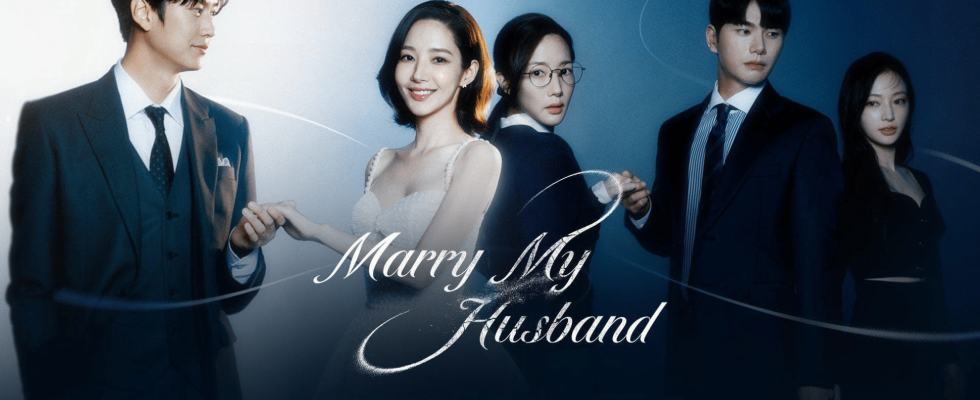
Finding Love Again: A Fresh Take on Marry My Husband
If you’re in the mood for an emotional rollercoaster, the Japanese remake of “Marry My Husband” has arrived and it’s definitely turning heads! This 2025 release stands out not just as a TV show but as an ambitious journey through themes of revenge, second chances, and self-discovery. Teaming up for this unique project, Korean giants CJ ENM and Studio Dragon are making waves with their first Japanese production, raising the bar for cross-cultural storytelling!
Advertisements
Setting the Stage: A Tale of Second Chances
Misa Kobe’s narrative taps into one of our deepest desires: fixing the blunders that have shaped our lives. Adapted from the popular NAVER webtoon that took the LINE Manga charts by storm, this story shows how a woman, often sidelined in her own life, can become the star of her own show—thanks to some very extraordinary events.
When Misa’s world comes crashing down due to betrayal from her husband Tomoya Hirano and best friend Reina Esaka, she mysteriously gets a do-over, catapulting back ten years into her past. Talk about a twist! This intriguing premise lays the groundwork for deep dives into identity, self-worth, toxic dynamics, and the empowering journey of taking back control.
Starting with revenge and evolving into a rich tale of self-discovery transforms the story from a simple wish fulfillment into a profound exploration of personal growth and healing.
Character Journeys: Growth and Transformation
Fuka Koshiba shines as Misa Kobe, bringing to life a character torn between her inherently kind spirit and the need to assert herself against those who exploit her goodness. Rather than turning Misa into someone entirely different, Koshiba captures her nurturing essence while showcasing newfound strength and assertiveness.
In her own words, Koshiba said: “Misa seeks revenge, but at her core, she remains kind. I wanted to portray someone Wataru would instinctively protect.” This nuanced approach makes Misa a relatable protagonist, garnering audience sympathy even as she chases potentially questionable desires.
Takeru Satoh, stepping into the shoes of Wataru Suzuki, is pivotal in Misa’s evolution. His absence during her past life symbolizes all the unexplored possibilities awaiting her second chance. By preserving Wataru’s protective essence, Satoh crafts a character who isn’t just a romantic interest, but a reflection guiding Misa to recognize her own value.
Time Travel: More Than Just a Plot Device
Time travel isn’t just a gimmick here! It serves as an engaging metaphor for personal growth and the potential for change. The show digs into how knowing what’s coming can be both a blessing and a moral dilemma, pushing Misa to face tough questions about manipulation, justice, and the tricky fallout of rewriting history.
With a perfect blend of fantastical elements and emotional depth, the narrative stays focused on character evolution while exploring themes of regret, forgiveness, and the courage needed for real transformation.
Navigating Betrayal: Toxic Dynamics Unpacked
The depiction of toxic relationships—both romantic and platonic—adds a mature lens to the show, shedding light on the patterns of emotional abuse and manipulation. Misa’s husband and best friend’s betrayal isn’t just a plot point; it symbolizes the years spent eroding her self-esteem and identity.
Yû Yokoyama and Sei Shiraishi face the challenge of rounding out their antagonistic characters, making them relatable flawed humans rather than mere villains. This adds a rich layer of moral complexity that really elevates the story.
Yokoyama humorously shared his friends’ reactions to his casting: “You’re playing THAT role?!” His approach to portraying a deeply unsympathetic character shows the dedication to psychological authenticity within the cast.
A Fusion of Cultures: International Collaboration
Under the direction of Ahn Gil-ho, known for “The Glory,” this adaptation takes on a fresh perspective, weaving Japanese sensibilities with the storytelling techniques that made the Korean original a worldwide hit. It’s fascinating to see how different cultures interpret the same universal themes!
Screenwriter Satomi Ōshima, recognized for her work on “1 Litre of Tears,” cleverly mixes elements from the original while giving it that “Japanese touch.” This ensures a balance between cultural authenticity and international appeal, avoiding the pitfalls of literal translation or mischaracterization.
High Production Values: Setting New Standards
This collaboration between CJ ENM (the force behind “Parasite”) and Studio Dragon, known for their global hits, marks a big milestone in Asian co-productions. The blend of Korean technical finesse with Japanese creativity leads to a visually stunning series.
With an international budget and expansive scope, the series competes with top-tier global productions. This shift in production quality signals a bright future for Asian dramas with international aspirations.
Empowerment and Personal Agency: A Feminist Narrative
At its heart, “Marry My Husband” champions female empowerment, highlighting how women can reclaim their power in relationships where they’ve been marginalized. Misa’s transformation from a mere supporting character to the heroine of her own story offers a critique of societal expectations and the importance of self-worth.
The show boldly tackles modern issues surrounding unequal relationships and unhealthy societal norms pushing women to be “agreeable” at the cost of their happiness, all while stressing the tough journey of setting boundaries with manipulators.
Global Reception: A Cultural Phenomenon
The original Korean version smashed viewing records, becoming the most-watched Asian title among non-English shows on Prime Video just last year, setting the bar high for the Japanese adaptation.
With availability in over 240 countries, this series is primed for significant cultural influence, potentially introducing audiences worldwide to specific Japanese takes on universal relationship themes.
Love and Growth: A Fresh Romance
The budding romance between Misa and Wataru offers a refreshing contrast to her past toxic ties, showing how healthy relationships can nurture personal growth and healing. This romantic arc isn’t just fluff; it’s a crucial piece of Misa’s self-discovery journey.
The series steers clear of glamorizing revenge, opting instead for a more mature examination of how positive connections can break cycles of hurt and vengeance.
Timely Themes and Universal Lessons
By weaving in its fantastical premise, “Marry My Husband” addresses pressing issues like toxic relationships and emotional healing. The series conveys a hopeful message: that change is attainable and we aren’t forever bound by our past choices.
With explorations into second chances and the significance of supportive relationships, the story resonates with anyone facing their own personal battles.
Final Thoughts
The Japanese remake of “Marry My Husband” stands out as a remarkable feat in multicultural storytelling, honoring the original while offering a fresh cultural lens. Thanks to a talented cast and impressive production quality, it provides a viewing experience that feels both familiar and innovative.
For fans of the Korean original, this is a chance to experience the beloved tale anew through a different cultural perspective. If you’re just jumping in, expect a powerful introduction to themes of empowerment and personal transformation that resonate across cultures.
This series proves that Asian content can reach global audiences when crafted with care and cultural nuance, setting a precedent for future international collaborations in the entertainment sphere.