
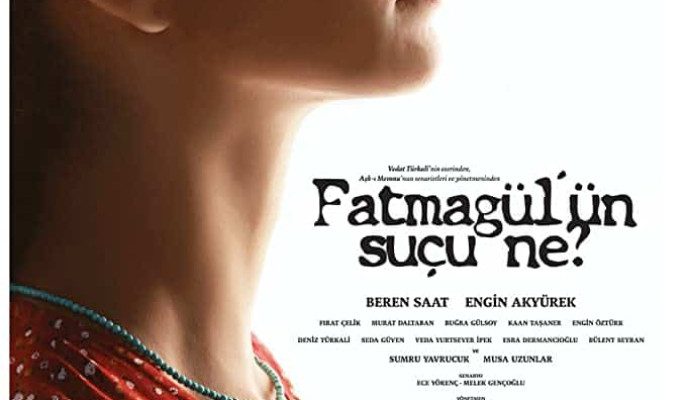
Greetings, lovely readers! Are you ready for an emotional rollercoaster? Let’s dive into the heart-wrenching drama Fatmagül’ün Suçu Ne? (What Is Fatmagul’s Fault?), a show that explores the intricacies of trauma, endurance, and the relentless quest for justice. This series has carved its name in the annals of Turkish drama as a true masterpiece.
Advertisements
Airing from September 16, 2010, to June 21, 2012, on Kanal D, Fatmagül’ün Suçu Ne? consists of 80 gripping episodes, each around 90 minutes long, airing Thursday evenings. Originally inspired by Vedat Türkali’s screenplay from 1986, the series was artfully adapted by Ece Yörenç and Melek Gençoğlu under the skilled direction of Hilal Saral. This poignant social drama tackles the ugly truths of sexual violence with a rare sensitivity, blending elements of legal drama, psychological thriller, and a healing romance that redefined global television standards.
What makes Fatmagül’ün Suçu Ne? particularly striking is its unwavering portrayal of the long-lasting effects of sexual violence, all while nurturing a glimmer of hope for healing and justice. The narrative shines a light on society’s often cruel treatment of victims, crafting a powerful story about resilience, love, and the chance for redemption in the face of darkness.
Fatmagül’s Fall from Innocence to Resilience
Meet Fatmagül Ketenci, a joyful village girl basking in the sun along the Aegean coast of Ildır, blissfully engaged to her childhood sweetheart Mustafa, a local fisherman. But her idyllic existence is brutally shattered when she falls victim to an assault by a quartet of intoxicated, privileged young men. This horrific act not only strips her of her innocence but also reveals the stark class disparities and societal corruption that shield the offenders while obliterating the victim.
The show brilliantly illustrates how one violent incident sends shockwaves through the community, impacting not just the victim, but everyone woven into her life. Fatmagül’s evolution from trauma to survival serves as a piercing critique of how society often abandons its most vulnerable members while forcing them to shoulder the blame for the heinous acts committed against them.
The Unyielding Spirit of Fatmagül Ketenci
Beren Saat delivers a performance that many hail as her magnum opus, capturing the emotional spectrum of Fatmagül’s journey from innocence to fortitude. She skillfully navigates the character’s healing process, never exploiting her pain but rather portraying it with deep sensitivity and authenticity.
What truly captivates viewers is Beren Saat’s depiction of Fatmagül’s transformation from victim to survivor and ultimately to an advocate. Her performance encapsulates both Fatmagül’s fragility and her fierce determination to seek justice—not only for herself but for every woman facing a similar plight. This journey is as personal as it is universally relatable.
Kerim İlgaz: The Onlooker Turned Ally
Engin Akyürek enriches the role of Kerim İlgaz, the blacksmith’s apprentice who witnesses the assault yet remains an unwilling participant. His character embodies the moral complexity of bystanders who fail to take action, and his quest for redemption is crucial to the series’ exploration of guilt and the potential for atonement.
The dynamic between Kerim and Fatmagül evolves from a pragmatic marriage meant to shield the affluent offenders into a genuine connection that fosters healing. Engin Akyürek deftly portrays Kerim’s internal conflict between his guilt regarding his inaction and his burgeoning affection for Fatmagül, crafting a character that reflects both human frailty and the capacity for goodness in challenging situations.
The Clash of Justice and Affluence
The series ascends to its most poignant moments when Fatmagül bravely pursues legal retribution against her assailants, exposing the entrenched corruption that shields wealthy criminals while silencing their victims. Her battle for justice transcends personal vindication, advocating for the fundamental right of every individual to receive equal treatment under the law.
These confrontations become powerful because they illustrate that the journey toward justice for sexual violence demands extraordinary courage and unwavering support, as legal systems often lean toward safeguarding the guilty rather than aiding the harmed. Each legal triumph resonates with authenticity, making the series both realistic about its challenges and inspiring in its vision for change.
A Cultural Phenomenon
Fatmagül’ün Suçu Ne? emerged as a cultural sensation not only in Turkey but also resonated across the Middle East, Europe, and Latin America, igniting dialogues about sexual violence, victim shaming, and social justice wherever it aired. It proved that television can confront tough social issues while maintaining a captivating narrative. Beren Saat and Engin Akyürek garnered acclaim for their sensitive portrayal of trauma without diminishing the gravity of the subject matter.
A Trailblazing Drama That Reshaped Television
If you have a passion for socially aware dramas that weave powerful narratives with crucial societal messages, Fatmagül’ün Suçu Ne? is a must-watch on Netflix and Prime Video. It strikes a delicate balance between emotional heartbreak and genuine optimism, crafting a viewing experience that is both challenging and ultimately uplifting.
Why You Can’t Afford to Miss This Story
Fatmagül’ün Suçu Ne? stands out because it handles its serious themes with the depth and respect they warrant, never oversimplifying the complex journey from trauma to recovery. The series affirms that the most crucial stories are often the hardest to tell, making it an essential watch for anyone who believes in the power of television as a catalyst for social change and understanding.
Series Overview
Total Episodes: 80 episodes
Available On: Netflix, Prime Video, Apple TV
Original Airing: 2010-2012 (September 16, 2010 – June 21, 2012)
Current IMDb Rating: 8.2/10
Genre: Drama, Romance, Social Issue, Legal Thriller
Production Type: Turkish dizi (Turkish social drama series)
Status: Completed
Lead Actors: Beren Saat (Fatmagül Ketenci), Engin Akyürek (Kerim İlgaz)
Antagonists: Musa Uzunlar (Erdoğan Yaşaran), various wealthy offenders and corrupt officials