
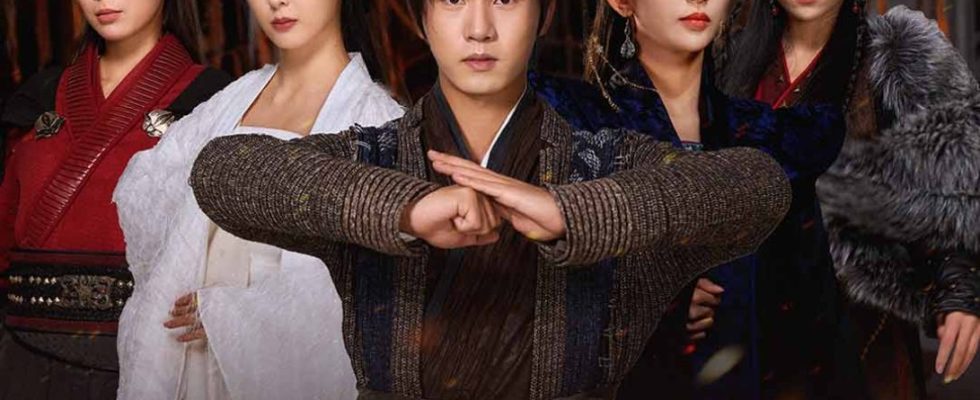
Hello, fellow fans! Today, I’m excited to explore the captivating world of The Unbound: A Mortal’s Path to Godhood. This series radically reimagines gender roles within a thrilling narrative that embraces a matriarchal world where men are prohibited from engaging in martial arts. It’s not just a fantasy; it’s a thought-provoking exploration of power dynamics and identity, all seen through the eyes of Aaron, an unassuming pork merchant concealing incredible martial arts talents and a royal heritage that could overturn societal norms.
Advertisements
The production quality is nothing short of spectacular. With stunning martial arts choreography and vivid world-building, the South Empire comes alive with vibrancy and detail. The episodes are brisk, ensuring that viewers remain on the edge of their seats while character arcs unfold and exhilarating action unfolds. Each episode is meticulously designed to amplify dramatic tension, showcasing cinematic excellence that captures both heartfelt moments and intense fight scenes beautifully.
Thematically, The Unbound skillfully intertwines a critique of social inequality with a deep dive into personal identity. This show tackles weighty issues surrounding systemic oppression but does so with finesse, allowing these themes to surface naturally through character interactions and evolving storylines. What sets this series apart is its nuanced examination of how societal constraints influence individual destiny and the repercussions of challenging the status quo.
Shattering Destiny’s Chains
In a society where women wield absolute authority and men are confined to subservient roles, Aaron’s life as a pork vendor hides a thrilling secret. Despite the harsh laws against male martial arts practice, he has been training in secrecy, driven by a desire to prove himself in a dismissive society. The façade he has meticulously built begins to crumble when he boldly decides to enter a martial arts contest, setting off a chain reaction that forces him to confront everything he thought he knew about his identity and his place in this world.
As Aaron plunges into the world of competitive martial arts, he unravels startling truths about his own heritage and connections to the royal lineage. The series expertly heightens tension with each revelation, skillfully blending personal narratives with political intrigue. The stakes rise as powerful figures become aware of Aaron’s actions, threatening to expose secrets that some would prefer to keep hidden, crafting a riveting plot that keeps audiences guessing about motivations and allegiances.
Aaron: Hidden Warrior
Aaron stands out as an incredibly multi-dimensional hero, whose true strength lies not just in his secret martial skills but his unyielding spirit and determination. Initially portrayed as a lowly vendor subjected to ridicule, his character reveals a profound depth as we witness his clandestine training and the internal battles he faces regarding his identity. His evolution from accepting societal limitations to boldly confronting them embodies both a physical and emotional journey, making him an inspiring underdog.
The intense relationship with his mother adds complexity to Aaron’s development, highlighting the struggle between loyalty to family and pursuit of personal ambitions. As he grapples with his royal lineage, he must reassess everything he thought he understood about his life and status. This internal struggle—between keeping up his humble appearance and acknowledging his true potential—fuels much of the series’ emotional weight, rendering his character arc profoundly relatable.
The Queen: Power and Ambiguities
The Queen emerges as a compelling antagonist, whose motivations concerning Aaron remain shrouded in mystery for much of the narrative. As both the sovereign of the South Empire and Aaron’s secret mother, she embodies a unique tension. The image she projects to the world starkly contrasts with her private moments, which hint at deeper feelings and conflicting loyalties.
Even before her true connection to Aaron is revealed, her powerful presence dominates the storyline, representing both the oppressive structure he resists and an intimate connection he never knew existed. The Queen’s character subverts expectations, offering a complex portrayal of maternal affection intertwined with political obligation and societal pressures.
Revolution Through Combat
This series excels in its action scenes, utilizing martial arts not merely as eye candy but as a profound expression of its characters and themes. Each fight sequence is rich with meaning, whether it’s showing Aaron concealing his true abilities or progressively unveiling them as the stakes rise. The choreography blends technical skill with emotional resonance, ensuring that every confrontation holds weight.
These physical encounters reflect the broader struggle between tradition and transformation, established authority and rising rebellion. The action elements serve as a conduit for exploring themes of identity, justice, and the costs associated with defying societal norms, taking the typical martial arts tropes to new heights of significance.
Triumph on ReelShort
The Unbound has enjoyed tremendous success on ReelShort, where its short-form storytelling and dynamic pacing align perfectly with the platform’s strengths. This intriguing series has sparked enthusiastic viewer engagement, particularly resonating with audiences eager for its original premise and dynamic character interactions. Its ability to condense complex themes and character arcs into short episodes showcases the format’s immense potential.
The show has struck a chord with viewers who thrive on tales of underdogs confronting systemic inequality, while simultaneously captivating fans of martial arts and political drama. Its popularity illustrates how short-form content can deliver rich, sophisticated narratives while sustaining captivating pacing and high production values.
Pioneering New Frontiers
The Unbound: A Mortal’s Path to Godhood signifies a pivotal moment in the evolution of short-form drama, demonstrating that concise episodes can possess an epic scale and profound thematic resonance. The series adeptly merges social critique with exhilarating action and personal conflict, crafting an engaging narrative that entertains and challenges viewers. It exemplifies how innovative storytelling techniques can reinvigorate familiar genres, making it a must-see for anyone looking to witness a fresh take on traditional martial arts narratives.