
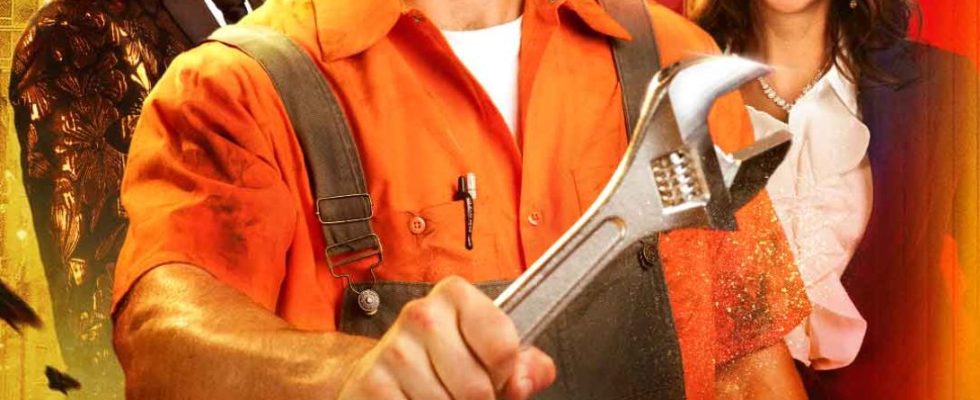
Welcome, drama enthusiasts! Today, we explore the captivating series The Rise and Fall of Detroit’s Automotive Heartbeat, which premiered on ReelShort in 2025. This innovative drama distinguishes itself through a compelling mix of genres, blending a classic comeback narrative with contemporary themes of the underdog and mid-life crises. Its feel-good undertones paired with modern-day settings draw in a diverse audience, all while showcasing the shared struggles of Americans confronting industrial decay. The story kicks off with a gripping premise: Hank Walker, a talented mechanic and aspiring auto engineer, faces treachery and must navigate themes of loyalty, ambition, and redemption against the gritty backdrop of Detroit’s automotive realm.
Advertisements
The series unfolds over 95 episodes, offering concise yet impactful storytelling that keeps audiences engaged without dragging on. Crafted by Crazy Maple Studio Inc., the show impresses with high production standards and a visually striking style that encapsulates Detroit’s rich history. The innovative filming techniques employed, such as a blend of handheld shots and static frames, effectively convey both the emotional intensity and vibrant energy of the environment. The cast’s performances, particularly those of the actors portraying Hank Walker and his supporting characters, elevate the production, making it a standout offering on ReelShort.
This drama adeptly delves into themes of resilience against adversity, the significance of community in personal success, and the quest for identity amidst societal instability. What truly distinguishes The Rise and Fall of Detroit’s Automotive Heartbeat is its narrative style, which alternates between Hank’s everyday existence as a mechanic and his covert aspirations as an auto engineer. This dual narrative approach provides a fresh lens on character development and visual storytelling, while also offering penetrating insights on class and innovation in America.
Pulse of America’s Automotive Sector
The narrative begins in the historic core of America’s automobile sector—Detroit—introducing us to Hank Walker. By day, he is a modest mechanic, and by night, a visionary engineer crafting groundbreaking car designs. The core conflict emerges when Hank is suddenly dismissed as a result of new management policies, a jarring blow that marks an end and a new beginning. This opening scenario is steeped in realism, establishing the tone for a narrative centered on overcoming systemic obstacles.
As the plot unfolds, Hank contends with the challenges of unemployment while receiving an enticing offer from Mach 15, a competing firm that promises to help him realize his engineering aspirations. The series excels at portraying Hank’s emotional ups and downs—oscillating between hope and despair—while simultaneously illuminating Detroit’s socio-economic landscape. The tension escalates as Hank navigates through betrayals and rivalries, ensuring that viewers remain captivated by unexpected plot twists and deeply invested in his journey.
Hank Walker: The Dreamer with Grit
Tyler Harlow’s remarkable portrayal of Hank Walker brings to life a character whose brilliance is matched only by his humility. Harlow’s performance captures Hank’s intricate personality—his determination interlaced with vulnerability—which compels viewers to root for him from his debut on screen. His evolution from an unappreciated mechanic to a potential pioneer in the automotive industry resonates with themes of resilience and redemption.
What elevates Hank beyond a mere underdog archetype is his complex humanity; he embodies both the unyielding spirit of Detroit and its profound challenges. His relationships with coworkers—especially with Moriah Boone’s character—unveil a depth of dynamics that echo themes of loyalty and betrayal. Harlow’s performance ensures viewers are emotionally connected to Hank’s odyssey, representing not only one man’s struggle but also Detroit’s fight for relevance.
Moriah Boone: Navigating Ambition and Ethics
Moriah Boone, depicted compellingly by Declan Clifford Riley, plays the role of both ally and adversary to Hank Walker—her ambitions teetering between self-interest and genuine contributions to their firm. Her development raises crucial questions regarding corporate ethics versus personal growth within the cutthroat landscape of American business.
Boone’s drive, juxtaposed with her authentic moments of uncertainty, mirrors Hank’s ethical conflicts—crafting a relationship that is both intricate and highly relatable. Clifford Riley skillfully balances Boone’s assertiveness with subtle hints of doubt, enriching her character while weaving together the narrative’s commentary on industrial change and personal integrity.
Defining Moments That Shape Destiny
A standout feature of the series is the way Hank grapples with integrity versus ambition—the serene evenings spent sketching designs contrasted with intense boardroom confrontations provide glimpses into his inner psyche, propelling critical plot developments without relying on clichés.
These sequences resonate as they offer insight beyond mere exchanges; whether conveyed through Harlow’s intent gaze or the blueprints that symbolize hope. The strategic use of lighting enhances these moments’ emotional weight, while a minimalist score underscores the significance of pivotal choices, ensuring viewers understand not just the events, but their profound impact on the characters’ futures.
Thriving on ReelShort
Finding its audience on ReelShort has proven fortuitous for The Rise and Fall of Detroit’s Automotive Heartbeat, appealing to viewers hungry for narratives that intertwine technological innovation with human tenacity. The series has gained substantial recognition for its authentic portrayal and engaging narrative framework, distinguishing it within ReelShort’s extensive catalog aimed at those intrigued by complex character arcs interwoven with socio-economic themes.
Its episodic structure adeptly utilizes ReelShort’s features, facilitating storytelling flexibility while keeping viewers invested in shorter segments, ideal for binge-watching or casual consumption, and reflecting current tendencias favoring digestible yet emotionally resonant narratives over conventional long-form dramas.
Accelerating Dramatic Narratives
Ultimately, The Rise and Fall of Detroit’s Automotive Heartbeat signifies a pivotal moment in contemporary drama—it captures not only the trials of a city but also sheds light on the broader narratives of American industrial decline through personal stories. This drama transcends traditional genre boundaries, skillfully weaving together technological ambitions with deep-seated life experiences, demonstrating that compelling narratives can provoke reflections on larger societal dilemmas.
For those seeking entertainment that also ignites meaningful discussions encapsulated in striking visual storytelling, the series provides an unparalleled viewing experience that blends heartfelt performances with thought-provoking themes, ensuring its place in viewers’ minds well after the credits roll. Don’t miss out on this extraordinary journey through despair to triumph, reflecting both individual aspirations and collective hopes amidst adversity.