
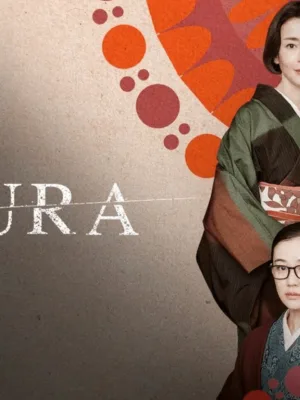
The Essence of Asura: A Deep Exploration of Japanese Family Dynamics
Advertisements
Directed by the esteemed Hirokazu Kore-eda, Asura emerges as yet another remarkable addition to the filmmaker’s portfolio, capturing the intricate and delicate fabric of familial relationships. Centered around four sisters, this poignant narrative unfolds as they grapple with the aftermath of discovering their father’s deceit—a moment that ignites a rich and emotional examination of what truly sustains a family.
Crafting the Story
With Kore-eda’s signature finesse, the film meticulously constructs its story, peeling back the layers of each character to reveal complex emotional truths. Rather than using the father’s betrayal merely as a plot twist, it serves as a profound launching pad for interrogating deeper themes of trust, forgiveness, and varying interpretations of familial love. Each sister’s individual response to the shocking revelation not only showcases their unique personalities but also reflects their stages in life, adding depth to the narrative.
Visual Storytelling and Direction
Kore-eda’s approach is marked by a contemplative and naturalistic touch, employing extended shots and deliberate compositions that highlight subtle gestures and poignant silences. The camera operates as a third participant in the familial drama, capturing intimate instances without intruding. The gentle visuals and muted colors establish a sense of restrained sorrow, a hallmark of Kore-eda’s cinematic style.
Thematic Depth
Beyond the surface-level narrative of betrayal, Asura delves into profound themes around human behavior and the intricate web of family ties. Loyalty is dissected from various angles: between partners, parents and children, and among siblings themselves. Kore-eda portrays forgiveness not as a straightforward answer but as a labyrinthine and personal journey. Furthermore, the film subtly critiques the societal expectations placed upon families in Japan, particularly regarding women’s roles in modern society.
Character Evolution and Performances
The performers shine in their roles, providing nuanced and authentic portrayals that steer clear of exaggerated melodrama. Each sister exudes her own conflicts and aspirations, evolving into multidimensional characters that viewers can relate to deeply. The absence of the father figure is palpable, as his presence looms large through the daughters’ memories and emotional responses.
Memorable Moments
What makes Asura exceptional is its ability to elevate a seemingly ordinary premise into a profound contemplation on the human experience. Kore-eda refrains from oversimplifying moral dilemmas, instead opting to portray the complexity of emotions with courageous sincerity. The slow build-up of emotional intensity is skillfully done, leading to cathartic scenes that resonate without feeling contrived.
Concluding Thoughts
Asura stands as a testament to Hirokazu Kore-eda’s masterful skill in crafting family dramas that resonate on a fundamental level, transcending their cultural origins. This film functions as both an intimate exploration of a family in turmoil and a broader reflection on the connections that shape our lives. It’s an essential viewing experience for fans of modern Japanese cinema and for those who appreciate narratives that dive into psychological intricacies rather than rely on traditional dramatic tropes.
The film’s sensitive direction, genuine performances, and sophisticated treatment of intricate themes solidify Asura as yet another exceptional entry in Kore-eda’s oeuvre, reiterating his remarkable ability to illuminate the complexities of the human spirit.