
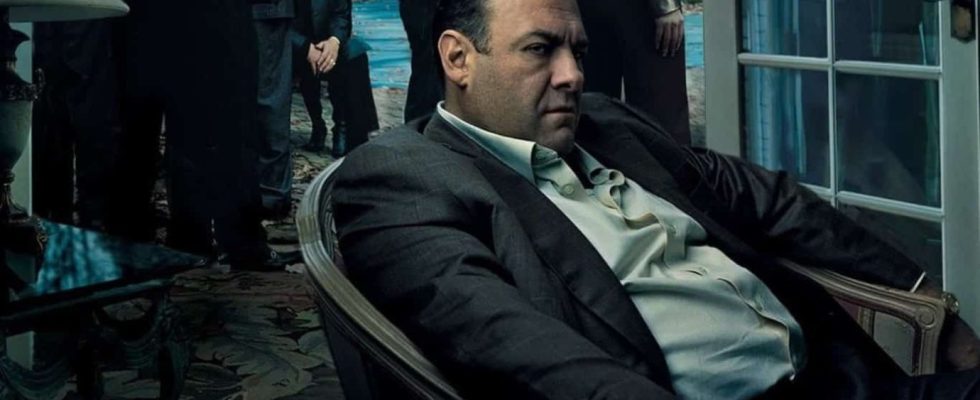
Hey, friends! Have you ever sat down and truly immersed yourself in the brilliant world of The Sopranos? This iconic drama didn’t just raise the bar for TV; it completely reinvented it, setting the stage for all those must-see shows we cherish today.
Advertisements
Kicking off on January 10, 1999, and wrapping up on June 10, 2007, The Sopranos spanned six gripping seasons with 86 episodes. Crafted by the genius David Chase, it’s all about Tony Soprano, the Italian-American mobster from New Jersey. This dude juggles the pressures of leading a crime family and being a husband and dad. Each episode runs around 50-60 minutes, offering that cinematic feel that blurs the lines of traditional TV.
What sets this series apart? It dives deep into the mix of dark humor and reality, showcasing Tony’s chaotic suburban life as a mob boss. Rather than just depicting the mob’s grittiness, The Sopranos explores the inner turmoil of Tony as he grapples with anxiety, family issues, and the moral twists of his dual life. The character development and storytelling are groundbreaking, making it a cornerstone of modern television.
Tony’s Dual Life: Family and Crime
The Sopranos zeroes in on the DiMeo Crime Family, with Tony Soprano at the helm. The show expertly intertwines his duty to manage shady dealings—think waste management and construction rackets—with the mundane hurdles of suburban family life in North Caldwell.
What’s genius about this series? It frames mob life as a blue-collar grind rather than some glamour-filled escapade. Tony’s crew, including the fiery Paulie Walnuts, savvy Silvio Dante, and ambitious nephew Christopher Moltisanti, adds layers of personality and tension to the mix. The Sopranos perfectly captures how violence and normalcy collide in this insular lifestyle.
Tony Soprano: A Flawed Anti-Hero
James Gandolfini absolutely nailed the role of Tony Soprano, setting a new standard for complex TV characters. He’s not your usual hero; he’s relatable yet repulsive, gentle yet intimidating. Struggling with panic attacks, Tony’s forced into therapy with Dr. Jennifer Melfi, which opens up a whole new avenue for exploring his psyche through revealing therapy sessions.
Gandolfini stood out from over 80 hopefuls, and his portrayal is incredibly nuanced. He’s a caring father who often resorts to violence, a businessman thriving in a destructive industry, and a man yearning for self-awareness yet resistant to change. Throughout The Sopranos, we grapple with the question: can anyone truly change, or are we all just slaves to our fate?
Carmela Soprano: Torn Between Love and Morality
Edie Falco shines as Carmela Soprano, Tony’s wife, showcasing the moral quandaries of being tied to a criminal. She gets where her luxurious life comes from but often chooses ignorance to keep her family intact. Carmela’s journey highlights the collateral damage of organized crime, showing that the impact stretches far beyond those directly involved.
Throughout The Sopranos, Carmela wrestles with her faith, desires for a lavish life, and a genuine affection for Tony, despite knowing the truth about him. Her relationship with Tony illustrates the complex dance of dependency, manipulation, and moral compromises, raising important questions about identity when living in someone else’s shadow.
The Game-Changing Finale That Had Everyone Talking
Let’s talk about that iconic final scene at Holsten’s diner—what a moment! The cut to black while Tony’s with his family sparked endless debates about whether he lived or kicked the bucket. That ending is not just about mystery; it perfectly encapsulates The Sopranos’ dedication to psychological authenticity rather than neat endings.
The brilliance of the finale forces us to confront our own fascination with Tony and his violent ways. After six intense seasons, viewers are left pondering difficult questions about complicity and justice. This daring choice solidified The Sopranos as a piece of art, rather than just entertainment.
HBO’s Star and Streaming Legacy
The Sopranos became HBO’s flagship series, turning the network into a go-to spot for sophisticated, adult content. It paved the way for the golden age of television, proving audiences crave complex, morally ambiguous characters. You can catch The Sopranos on HBO Max and other streaming services, and its influence resonates in countless shows that followed. The format of long-running character arcs and deep psychological themes has become a model for prestige TV. This series didn’t just grab awards—it stirred cultural conversations that continue today.
The Pinnacle of Television Achievements
If you’re into character-driven narratives, psychological twists, or challenging moral tales, then The Sopranos is your jam on HBO Max. The show dives deep into American masculinity, family conflicts, and moral dilemmas, blending entertainment with serious social commentary.
Tags: crime drama, psychological thriller, family dynamics, anti-hero, HBO prestige series
The Series That Redefined TV
The Sopranos didn’t just change the landscape of television; it showcased what the medium could truly achieve. David Chase crafted a show that’s not only a riveting drama but also an insightful commentary on American society, family dynamics, and our human nature. Its psychological depth, moral ambiguity, and cultural resonance make it a must-watch for anyone craving a series that provokes thought and rewards deep dives. Whether you’re all about the crime, family drama, or psychological exploration, The Sopranos delivers an unmatched viewing adventure.
Series Overview
Number of Episodes: 86 episodes (completed series)
Platform: HBO Max (US), Hulu (US), Prime Video (purchase/rent)
Release/End Year: 1999-2007
IMDb Rating: 9.2/10
Genre: Crime Drama, Psychological Drama
Production Type: American Television Series
Status: Completed series
Protagonists: James Gandolfini (Tony Soprano), Edie Falco (Carmela Soprano)
Main Supporting Cast: Lorraine Bracco (Dr. Jennifer Melfi), Michael Imperioli (Christopher Moltisanti), Dominic Chianese (Junior Soprano)